November 2, 2026
Best placements for your first fine line tattoo
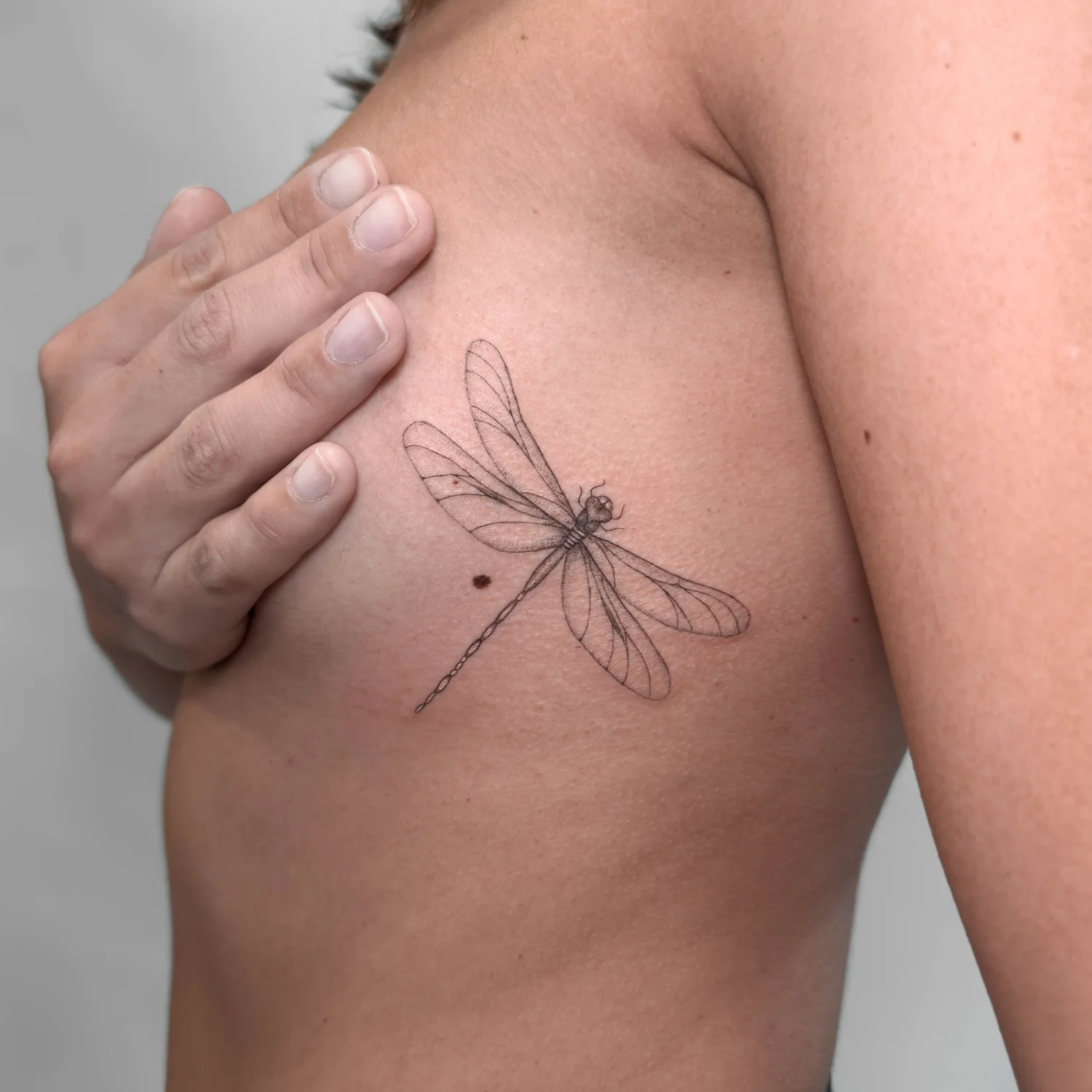
The best placement for a fine line tattoo is skin that stays fairly flat, moves little and sees limited sun and friction. For a first piece, that usually means the inner or outer forearm, the upper arm, the back of the shoulder, the upper ribs or the thigh. Hands, fingers and feet are the hardest places for delicate lines to hold.
That short answer covers most people. The longer answer depends on your design, your skin and how you live, so here is how we think about placement at Kastana before a single line goes down.
Why does placement matter more for fine line tattoos?
Fine line work uses thin lines and light shading. There is less ink in each line than in a bold traditional tattoo, so anything that wears on the skin shows sooner: constant bending, rubbing from clothes or straps, frequent washing and a lot of sun.
A heavy outline can lose a little and still read clearly. A hairline stroke has less margin. That is why placement is one of the first things we talk through when you send a request, alongside size and level of detail.
What is the best placement for a fine line tattoo?
These spots are kind to delicate linework and easy to live with while the tattoo heals:
- Inner forearm. Flat, easy to see, easy to care for, and simple to cover with a sleeve in strong sun.
- Outer forearm. Similar to the inner forearm with a little more sun. A natural home for small pieces.
- Upper arm and back of the arm. Stable skin with little friction. Good for small symbols, script and botanicals.
- Back of the shoulder and shoulder blade. A calm, open area that suits circular or framed designs.
- Upper ribs and side ribs. Elegant for long, vertical designs like a stem or a dragonfly. More sensitive in the chair, but the skin stays protected afterwards.
- Thigh. Plenty of space and usually out of the sun.
If you want a first tattoo that is easy to heal and easy to show or hide, the forearm and upper arm are the safest starting points.
Which placements are harder for fine line work?
Some areas are possible but come with honest trade-offs:
- Hands and fingers. Skin there is used constantly, washed often and renews quickly, so fine lines are more likely to soften or need a touch-up. For Agne's work, hand and finger touch-ups are $50 within one month.
- Feet and ankles. Shoes, socks and walking create friction, and keeping the area clean while it heals takes more effort.
- Wrists. Fine for small pieces, but the inner wrist bends all day and sits under watches and bracelets.
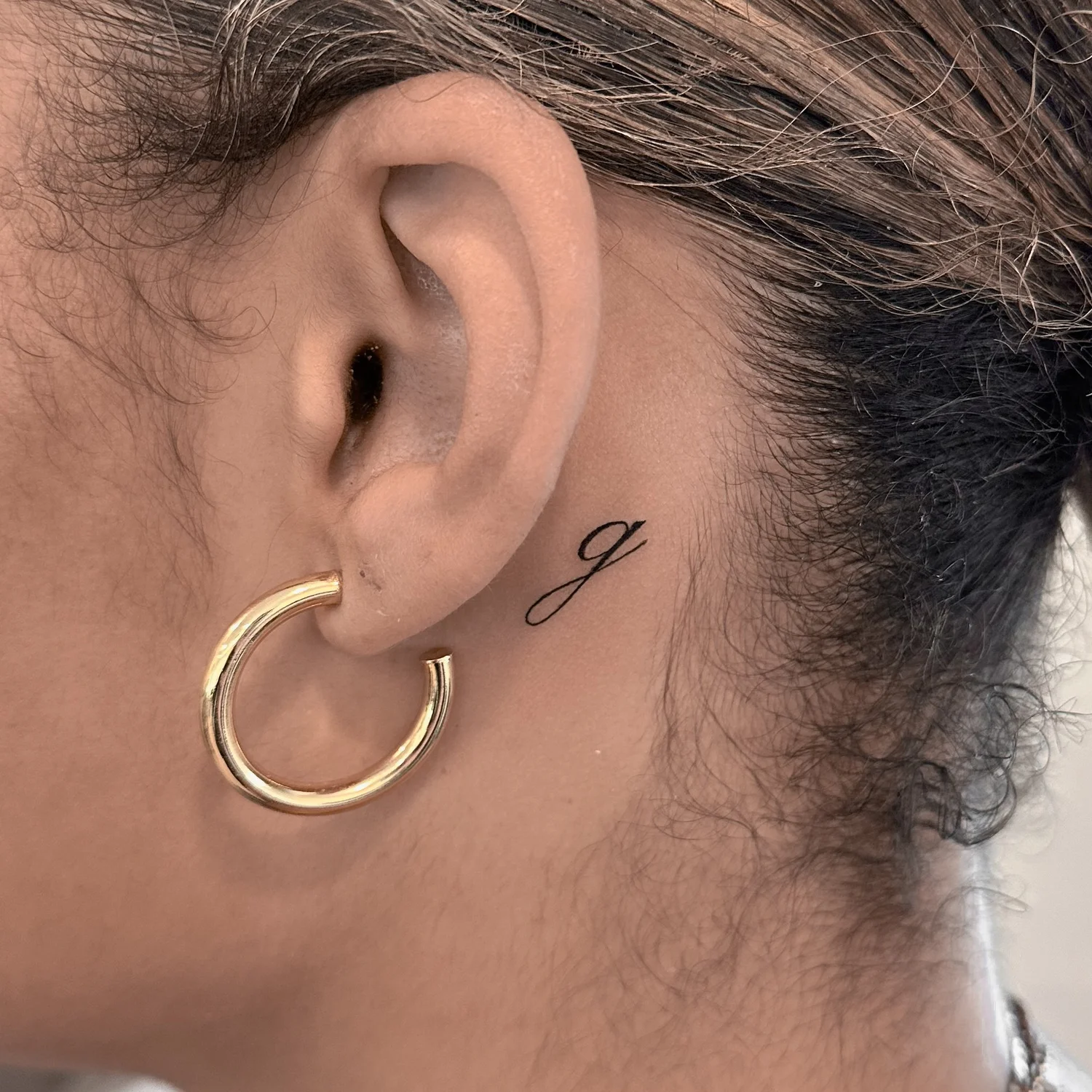
- Behind the ear. Lovely for tiny script, as long as the lettering has enough spacing to stay readable.
None of these are off limits. They just ask for a simpler design, slightly more open spacing and realistic expectations about touch-ups.
How does the Los Angeles sun affect where you put a fine line tattoo?
In Los Angeles, plenty of us spend most of the year in short sleeves. Sun is one of the main reasons fine lines soften over time, so a spot that is usually covered will generally keep its crispness longer than one that is exposed every day.
While a tattoo is healing, sunscreen stays off it. Cover it with clothing instead. Once it has fully healed, keeping it out of strong sun is the simplest long-term care you can give it. If you surf, hike or drive with one arm in the sun most days, that is worth thinking about when you choose a side.
How should the design shape your placement choice?
Good placement follows the shape of the design. Long, vertical pieces like stems, script or a dragonfly sit naturally along the forearm, ribs or spine. Round designs like a sun, a moon or a landscape in a circle fit the shoulder blade or upper arm. Very small pieces need enough room around them so they read as intentional rather than lost.
Size and placement work together. Fine lines need a little space between them so they do not blur into each other as skin ages. If a design feels too detailed for the spot you picked, we will usually suggest sizing it up slightly or moving it somewhere flatter, rather than squeezing the detail in.
What should you ask yourself before choosing a spot?
A few practical questions make the decision easier:
- Do you want to see it every day, or keep it private?
- Will it rub against straps, gloves or tight clothing at work or at the gym?
- Is it on a part of you that gets daily sun?
- Can you keep it clean, moisturized and out of the pool for two weeks?
- How sensitive are you? Ribs, feet and the inner wrist tend to feel sharper than the outer arm or thigh.
Bring your answers to your request. If you are not sure, tell us the design and where you are leaning, and the artist will give you an honest opinion. You can meet the people who work here on our artists page, and read how to get your skin ready in our guide to preparing for a fine line tattoo appointment.
FAQ
What is the least painful place for a first fine line tattoo?
Many people find the outer arm, upper arm and thigh the easiest to sit for, because there is more cushion over the bone. Ribs, feet and the inner wrist tend to feel sharper. Pain is personal, and small fine line pieces are usually manageable even in sensitive spots.
Do fine line tattoos on the hand last?
They can, but hands and fingers are the hardest placement for fine lines because the skin is used and washed constantly. Expect softer lines over time and plan for a possible touch-up. Simple designs with open spacing hold up best there.
Is the forearm a good place for a first fine line tattoo?
Yes. The forearm is flat, easy to care for while healing, easy to cover from the sun with a sleeve and suits most small designs. It is one of the most forgiving placements for fine line work.
Can I change the placement on the day of my appointment?
Usually, as long as the design still fits the new spot. Talk it through with your artist before the session starts so the size and shape still work.
Ready to plan your first piece? Send your idea through our booking form.